

Cart
0
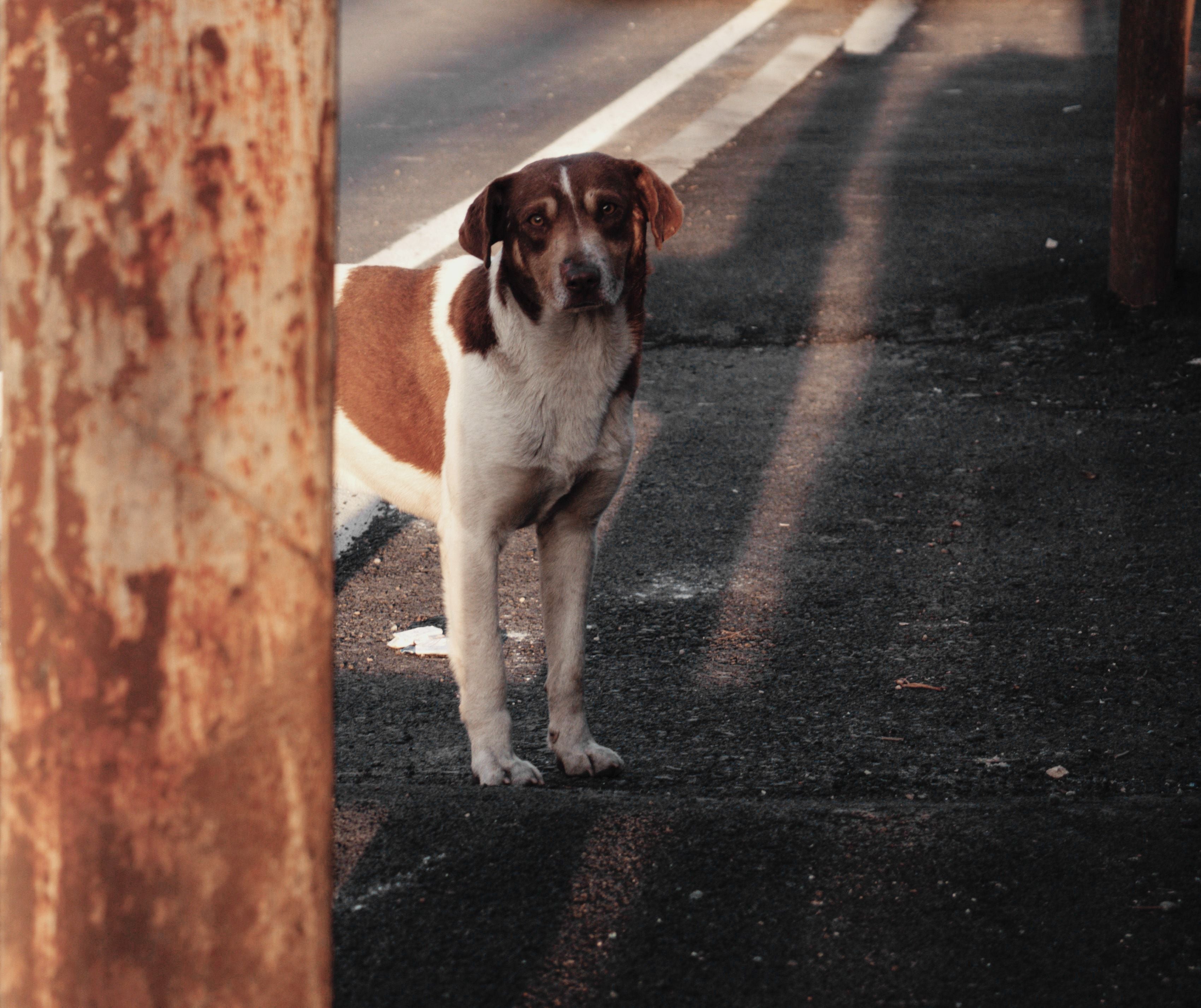
“In the first few hours after a pet goes missing, every minute counts. Knowing exactly what to do, and in what order, can make the difference between finding your dog the same evening or several days later.”
You were in the garden, you turned your head for two seconds, and your dog disappeared. Or maybe the front door was left ajar, he jumped over the fence, or he escaped during a walk. Whatever the cause, the ensuing panic is always the same, and it can make you lose precious time if you don't know where to start.
Hesteka is a 100% free mobile application that centralizes reports of lost, found, or endangered animals in France, with real-time geolocated alerts. This guide explains the first 10 things to do immediately to maximize your chances of finding your dog, in the correct order and without wasting time.
Key figures to know
300,000 animals are lost each year in France. The first 12 hours are the critical period during which the chances of reunion are highest. A dog reported immediately in its neighborhood has infinitely more chances of being found than if the search begins several hours later. Every minute counts.
1. Stay calm and secure the immediate area
The first thing to do is also the hardest: stay calm. Panic leads to running around frantically, shouting your dog's name at the top of your lungs, and rushing without thinking—reactions that can paradoxically make an already scared dog run even further away.
Start by securing your property
Before you go looking for him, make sure the door or breach through which he escaped is secured. If your dog comes back on his own and the way remains open, he will leave as quickly as he returned. Leave the front door ajar or a family member on site to welcome him back if he returns spontaneously.
2. Report immediately on Hesteka
This is the most important and urgent step: report your dog's disappearance on Hesteka within the first few minutes. The application allows you to post a geolocated report in less than a minute, including a photo, a quick description (breed, color, size, collar, microchip), a precise GPS marker on the map, and the alert becomes instantly visible to all Hesteka members in your geographical area.
Why Hesteka makes a difference
Unlike a post on a Facebook group or an ad on a general website, Hesteka sends real-time push notifications to all members close to your location. These are neighbors, walkers, and volunteer associations who can be on site in minutes. It is this immediate collective mobilization that changes everything in the critical first hours.
3. Search the immediate surroundings calmly
A runaway dog doesn't always go very far, especially in the first few minutes. Before organizing a wider search, systematically search the immediate vicinity of your property within a radius of 300 to 500 meters.
How to search effectively
Move slowly and silently rather than running and shouting. A frightened or disoriented dog tends to hide in dark, discreet places, behind hedges, under cars, in garden nooks. Call his name in a calm, reassuring voice, without an urgent tone that might worry him further. Bring his favorite toys or food bowl; a familiar sound can attract him much more effectively than calls.
4. Immediately notify those around you
While you are searching the immediate area, ask a family member or friend to start alerting your human network. The sooner people around you are informed, the more eyes you will have mobilized on the ground.
Who to notify first
Start with your direct neighbors, knock on doors, explain the situation quickly, give them a photo. Then contact the shopkeepers on your street, who see many people and can easily relay the information. Dog walkers you regularly meet are also valuable contacts, often knowing the frequented routes in the neighborhood well.

