

Cart
0
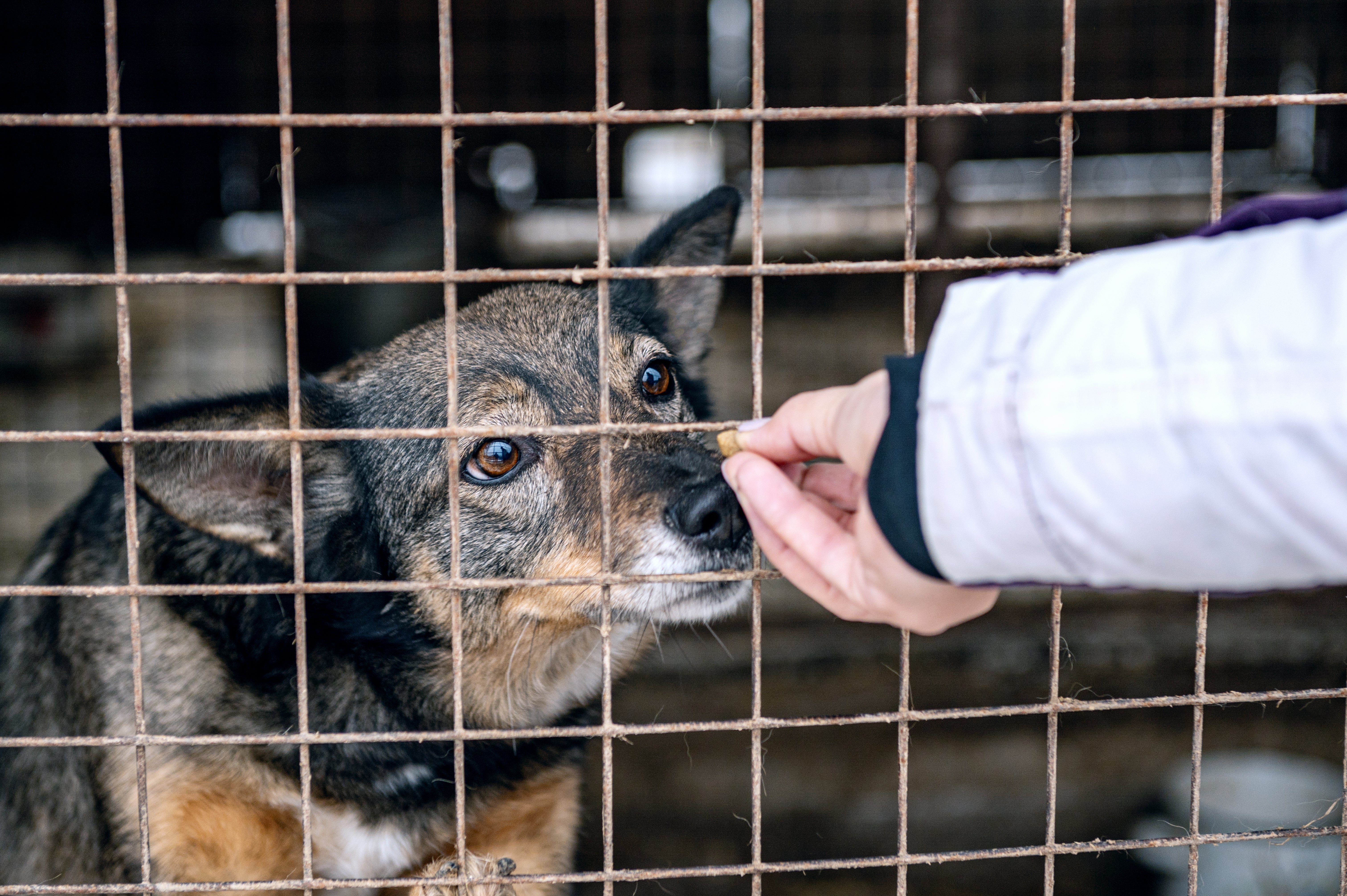
Discover why animal adoption in France is essential and how to give an animal a second chance while supporting animal protection.

“He might not choose you from the very first second. But the day he lays his head on your lap, you'll understand that you made the right choice.”
Every year in France, hundreds of thousands of animals find themselves without a home, without a family, without a certain future. Some were abandoned on a motorway rest stop on an August evening. Others were lost and never found. Still others were born in shelters and have only known the smell of concrete and the sound of cages.
However, a solution exists. It's called animal adoption, and it's within anyone's reach.
In this article, we tell you everything: why so many animals are waiting for a family, what adoption truly brings you, how to prepare for it, and how tools like Hesteka are changing the game for lost and abandoned animals near you.
Why so many animals are waiting for a family
Figures that make you think
The reality is hard to read, but it's necessary to know:
• 300,000 animals are lost each year in France
• Nearly 100,000 dogs and cats are abandoned each summer, according to the SPA
• French animal shelters constantly house tens of thousands of animals
• The euthanasia rate in some shelters remains alarming, due to lack of space and adoptive families
These figures are not meant to make you feel guilty. They are there to show the extent of a systemic problem: animal abandonment is still too common in France.
The reasons behind abandonment
Understanding why animals end up in shelters is already acting smarter. Among the most frequent causes:
• Summer holidays: peak of abandonments in July-August, when families leave without a pet-sitting solution
• Life changes: moving, separation, birth, job loss
• Lack of anticipation: adopting on a whim, without evaluating the real constraints
• Impulsive adoptions: at a show, in a pet store... without long-term consideration
• The animal's old age or illness: some owners abandon as soon as the animal needs care
The sad reality is that many of these abandonments could have been avoided. This is precisely why responsible adoption and education around animal protection are so important.
The benefits of animal adoption
You are saving a life. Literally.
When you adopt an animal from a shelter, you don't just offer it a roof. You offer it a chance to survive. In some overwhelmed shelters, the time before euthanasia can be very short. Adopting is directly intervening in this cycle.
But the benefits go both ways.
What adoption brings you
Scientific studies confirm the benefits for adopters:
• Reduction of stress and anxiety: animal presence = less cortisol, more serotonin
• Fight against loneliness: particularly beneficial for elderly or isolated people
• Routine and structure: having an animal forces you to go out, move, organize yourself
• Enhanced social connection: pet owners interact more with their neighbors
Adopting means refusing a system that causes suffering
By choosing a shelter rather than industrial breeding or a pet store, you send a strong message. You say no to an industry that sometimes treats animals as commodities. You say yes to a solidarity economy.
Animal adoption is an act of gentle and joyful resistance.
How to properly adopt an animal
Step 1 — Ask yourself the right questions before adopting
Adopting an animal is a 10 to 20-year commitment. Before taking the plunge, take the time to honestly answer these questions:
• Do you have the time? A dog needs daily outings. A cat needs interactions and attention.
• Do you have the space?
• Do you have the budget?
• Does your family agree? An animal should not be imposed on its cohabitants.
Step 2 — Choose the right animal for your lifestyle
There is no "best animal." There is the animal that fits your life.
• Are you athletic and active? A Labrador or an Australian Shepherd will follow you everywhere.
• Do you work a lot and live in an apartment? A calm, adult cat might be perfect.
• Do you have children? Certain breeds and temperaments are more suitable.
• Are you looking for a discreet companion? A rabbit, an adopted reptile can fulfill this need.
Shelters and associations carry out precise behavioral assessments. Don't hesitate to talk to them about your situation.
Step 3 — Visit a shelter or an accredited association
Always prefer serious structures: the SPA, recognized local associations, approved foster families. Beware of online ads without guarantees, often used by animal traffickers.
• Spend time with the animal in a dedicated space
• Learn about its history, behavior, and specific needs
• Ask questions about care already provided (vaccination, sterilization, microchip)
Step 4 — Prepare for the arrival home
Returning home is a crucial step. An animal that has lived in a shelter can take several weeks to feel safe. Plan for:
• A quiet space, all its own
• Patience, a lot of patience
• Regular routines to reassure it
• A first veterinary appointment within the week following adoption
The role of applications and communities like Hesteka
Adoption is good. Mutual aid is better.
Animal adoption does not happen in a vacuum. It is part of a larger ecosystem: that of community animal protection. And this is where initiatives like Hesteka come in.
Hesteka is a 100% free application, designed to mobilize individuals around endangered animals near them. In a few seconds, anyone can:
• Report a lost, found, or endangered animal with a photo, description, and GPS location
• Alert the local community in real time
• Participate in solidarity missions and earn points redeemable for rewards
What makes Hesteka different is this logic of local mobilization. Because a lost animal in your street has a better chance of being found if 200 neighbors are alerted in real time than if only one person posts on a forum.
The link between reporting and adoption
It is not said enough: many animals that end up in shelters could have been found or taken care of directly, without going through the official channels, if neighbors had known how to spot them in time.
⏱ 12 hours - this is the critical time to find a lost animal.
Tools like Hesteka allow action within this vital window. And when reunification with the family is impossible, the community can also play a role in guiding towards a shelter or foster family.
The power of the collective for animals
There are over 25 million pets in France. That's how many families who could, one day, need help. Or help a neighbor. Or adopt an animal reported in their neighborhood.
A tool where no one is left alone facing an animal emergency. No bureaucracy. No complicated forms. Just people, close to each other, acting.
What if the next story was yours?
Animal adoption is not an insignificant gesture. It's a decision that transforms a life, and often two. That of the animal, of course. But also yours.
Choosing to adopt rather than buy is choosing solidarity. It's choosing a relationship built on trust, sometimes difficult to earn, but so much deeper.
And if you're not ready to adopt yet? You can still act. Report the injured animal you saw this morning. Download Hesteka and join a community of people who don't look away.
Because animal protection is everyone's business. Not just shelters, associations, and exhausted volunteers. It's yours.
📲 Join the Hesteka community
Download the application soon for free on the App Store and Google Play.
Report · Share · Help — and earn rewards by acting for animals.
FAQ — Frequently Asked Questions about Animal Adoption
1. How much does it cost to adopt an animal from a shelter?
Adoption from a shelter generally includes vaccination, sterilization, and identification (microchip) fees. The average cost varies between 100 and 300 euros.
2. What is the difference between adopting a dog and adopting a cat?
A dog requires more outings, socialization, and time. A cat is more independent but needs an enriched environment. The shelter can help you assess which companion best suits your lifestyle.
3. Can you adopt a shelter animal if you are a tenant?
Yes, under certain conditions. In France, no rental agreement can prohibit a pet (except for categorized dogs or explicit condominium regulations). Check with your landlord before adopting.
4. How to report a lost or found animal in France?
You can use the Hesteka app, which is free and dedicated to local reporting. You can also contact the town hall, the local pound, or consult the national I-CAD file.
5. What is responsible adoption?
It means making sure before adopting that you have the financial means, time, space, and emotional commitment necessary for the animal's entire life, choosing a reputable channel (accredited shelter, recognized association).

